Table of Contents
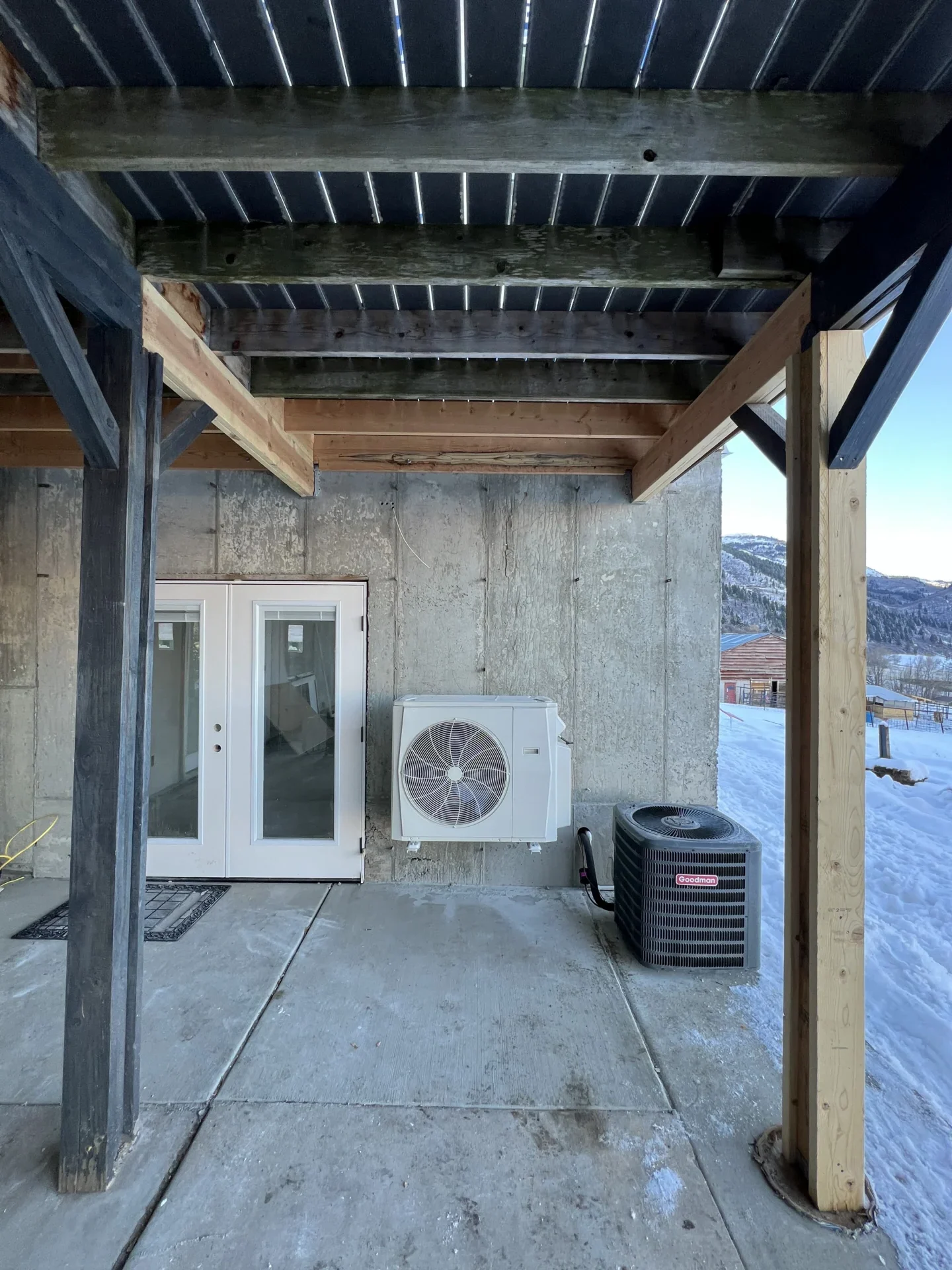
Every home is unique and different, which means you will need to evaluate the state of your home and your HVAC needs when determining the correct HVAC size. If you want the system to last, choosing the right brand, type, and size is important. Achieve the best energy efficiency and comfortable temperature throughout your home by following these tips to determine the right size unit for your home.
Determine Your Climate Zone
The most important thing to understand when choosing the correct HVAC size is determining what climate zone you are located in. The United States is divided up into different zones that correlate with consistent weather and temperature patterns. Some states are close to two zones, so a good rule of thumb is to go with the cooler option so as not to overwork the furnace element of an HVAC system.
The Northern part of Utah is in climate zone 6, while the middle part of the state is in zone 5. The zones are determined by a state’s humidity and temperature fluctuations, which is why it can help you choose the best HVAC system. Because Utah is hot in the summer and cold in the winter, it is best to choose a hybrid system or heat pumps that are rated for an extremely cold climate.
Home Size
BTU is a unit of measurement that shows what is required to heat or cool a pound of water. Larger homes will have higher BTUs in order for the home to be comfortable year-round. Determining the square footage of your home will help you determine how many BTUs are needed for the home to remain comfortable through every season. Common home sizes and their related BTUs are as follows:
- 1,200 sq ft: 24,000 BTUs
- 1,500 sq ft: 30,000 BTUs
- 2,100 sq ft: 42,000 BTUs
- 2,400 sq ft: 48,000 BTUs
- 3,000 sq ft: 60,000 BTUs
Every 12,000 BTUs will require an HVAC unit of at least 1 ton. Having a bit of extra power is always a good thing for heat waves or cold fronts that you may not be able to plan for. The correct HVAC size should produce up to 40% more BTU for heating, and 15% more for cooling than your home actually needs.
Check The Condition Of Your Insulation
Homes with bad insulation can allow air to escape from indoors, often leading to overworked air conditioners and furnaces. You don’t want air escaping on extreme-temperature days, so insulation should be inspected frequently. Older homes may not be as well insulated as new builds, leading to a lack of energy efficiency, even if you upgrade the HVAC system. Improving insulation in the attic or basements will save homeowners money on buying a larger unit that still doesn’t keep the home comfortable.
Types Of HVAC Systems
Even similar home sizes or types can benefit from different types of HVAC systems, although the correct HVAC size may eliminate some of these options from your potential list. There are many types to choose from on the market, all of which can meet a variety of needs for homes in moderate climates. If you are building a new home or remodeling, you may be considering a different HVAC type to keep up with your changing needs.
Split systems include two units, one that is outside the home and one that is placed indoors. The cooling unit is outside while the heating unit is inside, but both use the same thermostat and work in tandem to make a home comfortable. The heater utilizes gas and an evaporator fan to push heat through your ductwork. The cooling system connects to the home’s ductwork and uses refrigerant, compressors, and a fan to direct hot air out of the building.
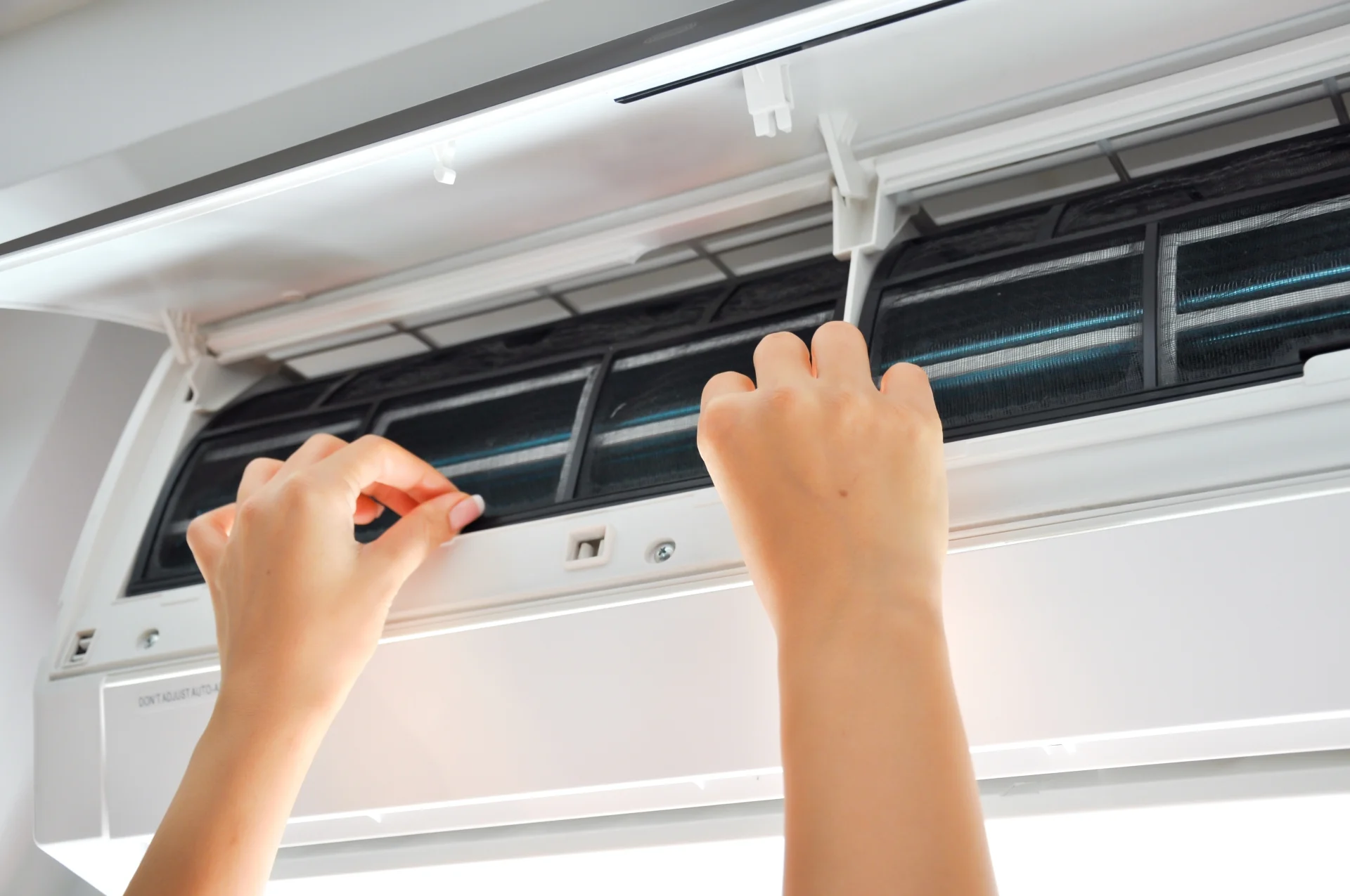
Packaged heating and cooling is a smaller-sized system that works well for smaller homes. The heating and cooling elements are placed in a single unit, placed near the foundation or on the roof. Single units are easy to maintain and easy to install.
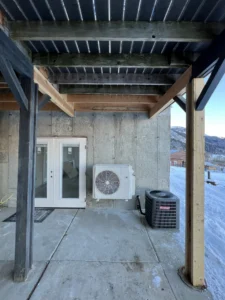
Ductless mini-splits are installed in individual rooms, which makes them great for larger homes without ductwork, hotels, and office spaces. These electric units have an outdoor compressor and refrigerant with an indoor air-handling unit and heat pump. While these systems are more expensive to install, they provide better flexibility over rooms that are occupied and those that are not used. Heating elements are not as effective in cold climates with below-freezing temperatures.
HVAC Installation From TriForce HVAC
Our team at TriForce HVAC is here to help you with all of your cooling, heating, humidification, and air quality needs. Your home deserves to be comfortable year-round, which is why having a trusted HVAC team in your corner can help you avoid emergencies and uncomfortable situations.
TriForce HVAC is licensed and insured, won’t upsell you on new units, and has transparent pricing. No matter the size of your home, our technicians can help service your unit or install a new system to improve the operation of your home. Reach out to us for a free quote or to schedule an appointment today!